Embark on a culinary adventure through the United Kingdom, where rich history meets vibrant flavours in a gastronomic journey like no other. The UK boasts a food scene that seamlessly blends tradition with modern innovation, offering a diverse range of dishes that cater to all tastes. Whether you’re indulging in hearty pub grub or experiencing the sophistication of Michelin starred restaurants, British food is sure to tantalise your taste buds. This comprehensive guide will take you through the best of British cuisine, from iconic traditional British dishes to regional specialties, and the modern twists that have revolutionised UK cuisine.
A Brief History of British Cuisine
British cuisine has a fascinating history, shaped by centuries of cultural and historical influences. During the medieval period, the English diet was primarily based on meat, fish, and grains, with food often seasoned with spices brought back by the Crusaders. The Norman Conquest in 1066 introduced new ingredients and cooking techniques, leading to a more refined culinary style. As the centuries passed, British food continued to evolve, influenced by the introduction of exotic spices, fruits, and vegetables from the British Empire.
The Industrial Revolution in the 18th and 19th centuries brought significant changes to British food. Urbanisation and the rise of the working class led to the popularity of processed foods and mass production, which, while convenient, also led to a decline in the quality of everyday meals. However, the post war period saw a renewed interest in fresh, local ingredients, and the late 20th century marked the beginning of a culinary renaissance in the UK. Chefs began to champion seasonal produce, and traditional British dishes were reimagined with modern flair, giving rise to what we now recognise as modern British cuisine.
Iconic British Dishes: A Taste of Tradition
No visit to the UK would be complete without indulging in some of its most iconic dishes. These traditional British dishes are not only delicious but also offer a glimpse into the country’s rich culinary heritage.
Fish and Chips
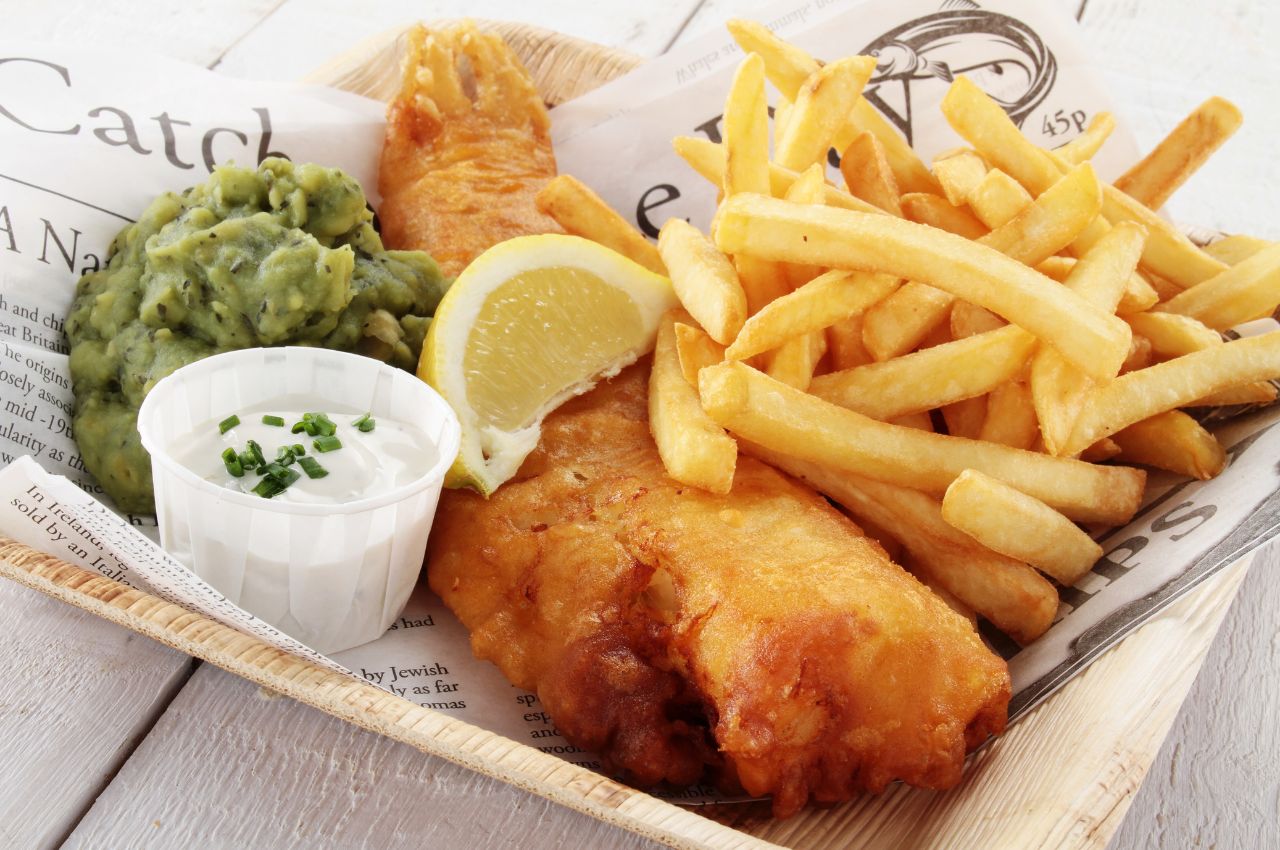
Arguably the most iconic of all British food, fish and chips have been a staple of UK cuisine since the 19th century. This classic dish features battered and fried fish, typically cod or haddock, served with crispy chips (fries). It’s often enjoyed with a dollop of tartar sauce, a squeeze of lemon, and sometimes a side of mushy peas. Fish and chips are best savoured by the seaside, where the salty sea air enhances the flavours.
Roast Dinner
The roast dinner is a quintessentially British meal, traditionally enjoyed on Sundays. This hearty dish typically includes a choice of roast meat, such as beef, lamb, pork, or chicken, accompanied by roasted potatoes, Yorkshire pudding, vegetables, and lashings of rich gravy. The Sunday roast is a symbol of British culture, representing family gatherings and the comfort of home cooked meals.

Shepherd’s Pie
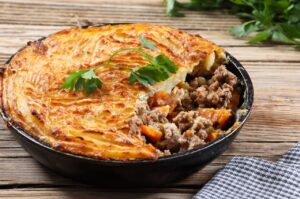
Shepherd’s pie is a comforting, hearty dish that has warmed the hearts of Britons for generations. This traditional British dish features minced lamb or beef cooked with onions and vegetables, topped with a layer of creamy mashed potatoes, and baked until golden brown. Often served with a side of green peas or other vegetables, shepherd’s pie is a beloved comfort food in the UK.

Full English Breakfast
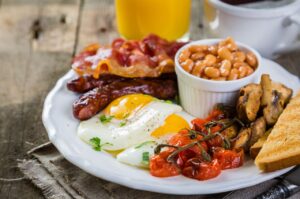
The full English breakfast, also known as a “fry up,” is a substantial meal designed to kick start the day. This traditional British dish typically includes bacon, sausages, eggs (fried, scrambled, or poached), baked beans, mushrooms, tomatoes, black pudding, and toast. It’s a favourite among both locals and visitors, offering a hearty start to the day and a taste of British hospitality.
Cottage Pie
Similar to shepherd’s pie, cottage pie is made with minced beef rather than lamb. This dish is layered with a generous topping of mashed potatoes and baked to perfection. Cottage pie is often accompanied by seasonal vegetables, making it a comforting and filling meal, especially during the colder months.
Bangers and Mash
Bangers and mash is a simple yet satisfying dish that has been a staple of British food for centuries. It consists of sausages (the “bangers”) served with mashed potatoes (“mash”) and usually topped with a rich onion gravy. This dish is often found on the menu at gastropubs across the UK, where it’s enjoyed by locals and tourists alike.

Steak and Ale Pie
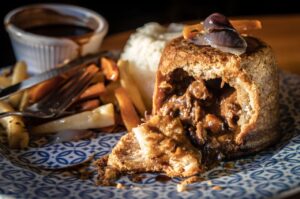
The steak and ale pie is a classic British dish that showcases the country’s love for hearty, comforting food. This pie is filled with tender chunks of beef, cooked in a rich ale gravy, and encased in a flaky pastry crust. It’s a popular dish in both gastropubs and traditional British pubs, often served with a side of vegetables and mashed potatoes.
Cornish Pasty
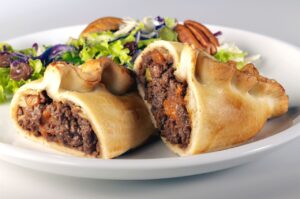
The Cornish pasty is a regional specialty from Cornwall, a county in the southwest of England. This savoury pastry is filled with diced beef, potatoes, onions, and sometimes swede (rutabaga). The pasty is folded into a distinctive D shape and baked until golden brown. Traditionally, Cornish pasties were a portable meal for miners, but today they are enjoyed across the UK as a delicious and filling snack.
Regional Specialties: A Culinary Tour of the UK
The UK is home to a diverse range of regional cuisines, each with its own unique flavours and traditions. From the hearty stews of Scotland to the delicate pastries of Cornwall, these regional specialties offer a taste of the UK’s rich culinary heritage.
England
- Yorkshire Pudding: A light and airy batter pudding that originated in the county of Yorkshire. It’s often served as an accompaniment to roast dinners, particularly with roast beef.
- Lancashire Hotpot: A hearty stew made with lamb, onions, and sliced potatoes, slow cooked to perfection. This dish is a regional specialty of Lancashire, in the northwest of England.
- Cornish Pasties: As mentioned earlier, these savoury pastries are a beloved regional specialty from Cornwall.
Scotland
- Haggis: A traditional Scottish dish made with sheep’s heart, liver, and lungs, mixed with oatmeal, onions, and spices, all encased in a sheep’s stomach and boiled. It’s often served with “neeps and tatties” (turnips and potatoes) and is a must try for those looking to experience authentic Scottish cuisine.
- Arbroath Smokies: A type of smoked haddock from the town of Arbroath in Scotland. The fish is hot smoked over hardwood, giving it a distinctive flavour. Arbroath smokies are often served as part of a traditional Scottish breakfast.
- Shortbread: A buttery biscuit that is a Scottish specialty. Shortbread is made with simple ingredients—flour, sugar, and butter—but its rich flavour makes it a beloved treat across the UK.
Wales
- Welsh Rarebit: A savoury dish made with a melted cheese sauce, typically flavoured with ale, mustard, and Worcestershire sauce, and served over toasted bread. It’s a classic Welsh comfort food that’s perfect for a light meal or snack.
- Cawl: A traditional Welsh soup or stew made with lamb or beef, leeks, potatoes, and other root vegetables. Cawl is often considered the national dish of Wales and is particularly popular during the colder months.
- Bara Brith: A Welsh fruit loaf made with tea soaked dried fruits and spices. Bara Brith, which means “speckled bread” in Welsh, is typically served sliced and buttered, and is a popular accompaniment to afternoon tea.
Northern Ireland
- Ulster Fry: Similar to the full English breakfast, the Ulster fry is a hearty meal that typically includes bacon, sausages, eggs, black pudding, white pudding, soda bread, and potato bread. It’s a traditional breakfast dish in Northern Ireland, known for its generous portions and variety.
- Soda Bread: A dense, slightly sweet bread made with bicarbonate of soda instead of yeast. Soda bread is a staple in Northern Irish cuisine and is often served with butter and jam or as part of an Ulster fry.
- Irish Stew: Although associated with Ireland, Irish stew is also popular in Northern Ireland. This hearty dish is made with lamb, potatoes, onions, and carrots, and is slow cooked to create a rich and comforting meal.
Modern British Cuisine: A Culinary Revolution
In recent decades, British cuisine has undergone a remarkable transformation. Once criticised for being bland and unimaginative, UK cuisine has been revitalised by a new generation of chefs who have embraced innovative techniques and championed local, seasonal ingredients. This culinary revolution has given rise to modern British cuisine, which combines the best of traditional British dishes with contemporary influences and global flavours.
Gordon Ramsay
Gordon Ramsay is one of the most famous chefs in the world and a leading figure in modern British cuisine. With multiple Michelin starred restaurants under his belt, Ramsay has been instrumental in raising the profile of UK cuisine on the global stage. His cooking style is known for its precision, bold flavours, and emphasis on high quality ingredients.
Jamie Oliver
Jamie Oliver, also known as “The Naked Chef,” is a celebrity chef who has made a name for himself with his accessible and affordable recipes. Oliver has been a vocal advocate for healthy eating and the use of fresh, seasonal ingredients. His influence on British food culture is significant, particularly in encouraging home cooks to experiment with traditional British dishes and modern twists.
Heston Blumenthal
Heston Blumenthal is a pioneer of molecular gastronomy and one of the most innovative chefs in the world. His restaurant, The Fat Duck, is famous for its experimental approach to cooking, combining science with culinary artistry. Blumenthal’s dishes often challenge conventional perceptions of British food, offering diners a truly unique and unforgettable experience.
Tom Kerridge
Tom Kerridge is a Michelin starred chef known for his modern British cooking and his focus on traditional British dishes with a contemporary twist. Kerridge’s gastropubs, such as The Hand & Flowers, have earned critical acclaim for their high quality food and relaxed, welcoming atmosphere. He is also a familiar face on British television, where he shares his passion for UK cuisine with a wide audience.
Where to Eat in the UK: A Guide to the Best Restaurants
The UK is home to a diverse range of restaurants, catering to all tastes and budgets. Whether you’re looking for fine dining in Michelin starred restaurants or a more casual experience in a cosy gastropub, there are plenty of options to choose from.
Michelin starred Restaurants
For a truly exceptional dining experience, Michelin starred restaurants offer some of the best British food in the country. These establishments are recognised for their culinary excellence, creativity, and impeccable service. Notable Michelin starred restaurants in the UK include The Fat Duck in Bray, Restaurant Gordon Ramsay in London, and The Waterside Inn in Berkshire.
Gastropubs
Gastropubs are a popular dining option in the UK, offering high quality food and drink in a relaxed and welcoming atmosphere. These establishments typically serve modern British cuisine, with menus that feature both traditional British dishes and contemporary creations. Some of the best gastropubs in the UK include The Hand & Flowers in Marlow, The Harwood Arms in London, and The Sportsman in Kent.
Farmers’ Markets
Farmers’ markets are a great place to sample local produce and artisanal food. These markets offer a wide variety of fresh fruits and vegetables, meats, cheeses, baked goods, and other delicacies. They are also an excellent opportunity to meet local producers and learn more about the ingredients that go into British food. Notable farmers’ markets in the UK include Borough Market in London, St Nicholas Market in Bristol, and Edinburgh Farmers’ Market.
Street Food Markets
Street food markets have become increasingly popular in the UK, offering a variety of delicious and affordable food options. These markets are a reflection of the UK’s diverse culinary scene, with vendors serving everything from traditional British dishes to international cuisines. Popular street food markets include Camden Market in London, Digbeth Dining Club in Birmingham, and Trinity Kitchen in Leeds.
Food Halls
Food halls are covered markets that offer a range of food stalls and vendors, making them a great destination for food lovers. These halls typically feature a mix of gourmet foods, local specialties, and international flavours. They are also a fantastic place to sample modern British cuisine and discover new culinary trends. Notable food halls in the UK include Harrods Food Hall in London, Mackie Mayor in Manchester, and Assembly Underground in Leeds.
Must Try British Drinks: A Culinary Companion
No culinary adventure in the UK would be complete without sampling some of its traditional British drinks. From the comforting ritual of afternoon tea to the vibrant craft beer scene, British drinks are an integral part of UK cuisine.
Tea
Tea is more than just a drink in the UK—it’s a cultural institution. Whether it’s a simple cup of breakfast tea or an elaborate afternoon tea with scones and finger sandwiches, tea is an essential part of daily life in Britain. There are numerous varieties to choose from, including English Breakfast, Earl Grey, and Darjeeling, each with its own distinct flavour and brewing method.
Beer
The UK has a long history of brewing, and beer remains one of the country’s most popular beverages. In recent years, the craft beer scene has flourished, with breweries producing a wide range of styles, from traditional ales to innovative IPAs. British pubs are the best place to enjoy a pint of beer, and many also serve gastropub fare, making them a perfect spot for a culinary adventure.
Cider
Cider is a traditional British alcoholic beverage made from fermented apple juice. The UK is one of the world’s largest producers of cider, with regions like Somerset and Herefordshire known for their high quality ciders. Whether you prefer a sweet or dry cider, this refreshing drink is a great companion to many British dishes, particularly those with pork or cheese.
Gin
Gin is another British classic that has seen a resurgence in popularity in recent years. The UK is home to a wide variety of gins, each with its own unique blend of botanicals. Gin and tonic is a quintessential British drink, perfect for sipping on a warm summer’s day or enjoying as an aperitif before a meal. Many UK distilleries offer tours and tastings, providing a deeper insight into the craft of gin making.
Tips for Eating Out in the UK
Dining out in the UK can be a delightful experience, but there are a few tips to keep in mind to ensure a smooth and enjoyable meal.
Reservations
It’s always a good idea to make reservations, especially at popular restaurants or during peak dining times. Michelin starred restaurants and well known gastropubs often book up well in advance, so planning ahead is essential.
Tipping
Tipping is customary in the UK, with a typical gratuity of 10-15% of the bill. Some restaurants may include a service charge, particularly in London, so be sure to check the bill before adding a tip.
Dress Code
While many UK restaurants have a relaxed dress code, some fine dining establishments, particularly Michelin starred restaurants, may require smart or formal attire. It’s best to check in advance if you’re unsure about the dress code.
Dietary Restrictions
If you have any dietary restrictions or preferences, it’s advisable to inform the restaurant staff in advance. Most restaurants in the UK are accommodating and offer a range of options for vegetarians, vegans, and those with food allergies.
British food is a vibrant and diverse tapestry of flavours, textures, and traditions. From the comforting warmth of a Sunday roast to the innovative creations of modern British cuisine, there is something to suit every palate. By exploring the culinary highlights of the UK—whether through traditional British dishes, regional specialties, or a visit to a Michelin starred restaurant—you can gain a deeper appreciation for the rich and diverse culture of the United Kingdom. So, embark on this culinary adventure, and savour the best of British food with each delicious bite.